Efficiency is the goal, but integrity is the mandate. How to lead your team through the AI shift without compromising your data.
The Innovation Paradox
For mission-driven leaders, the pressure to “innovate” is constant. We are told that AI will solve our capacity issues, automate our reporting, and magically find the “10 extra hours” we lose every week.
But for those of us managing $100M+ portfolios, sensitive donor information, or veteran health data, the “Move Fast and Break Things” mantra of Silicon Valley doesn’t just feel reckless. It feels dangerous.
The truth? Efficiency at the cost of integrity is an operational deficit.
The “Guardrail” Framework
True AI governance isn’t about banning the tools; it’s about building the infrastructure that makes them safe to use. To move from “tech-anxiety” to “tech-enabled,” an executive must focus on three non-negotiable pillars:
- Data Provenance: Know Your Source
Before a single prompt is typed, you must know where your data lives. Is your team feeding proprietary strategic plans into a “public” model? We advocate for a “Closed-Loop” approach. You must ensure that your organization’s intellectual property stays within your protected environment. - Human-Centered Oversight
AI is a powerful co-pilot, but it should never be the captain. We implement “Human-in-the-Loop” protocols. This means every automated report and every AI-generated insight is validated by a human expert before it reaches a Board member or a Contracting Officer. - The Ethical Audit
Algorithms can carry bias. For diverse-led organizations, this is a mission-critical risk. We help leaders develop an “Ethics Filter” for their tech stack, ensuring that the tools they adopt align with their values of equity and transparency.
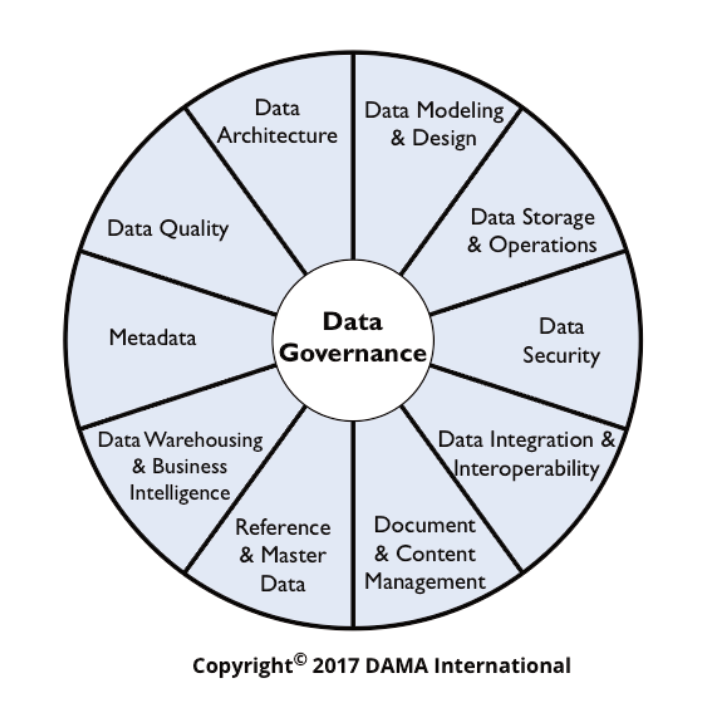
Source: DAMA International (DMBOK Framework)
From Chaos to Command
The goal of modernization is not to replace your team with a machine. The goal is to strip away the manual, repetitive “Administrative Tax” so your team can return to the high-level, human-centered work they were hired to do.
When your data is governed and your systems are secure, technology stops being a source of stress and starts being a verifiable engine for growth.
Recommended Reading for Leaders
- Data Management Body of Knowledge (DMBOK) – DAMA International
- What’s Your AI Strategy? – Harvard Business Review
- Algorithms of Oppression – Safiya Umoja Noble
Is your business data infrastructure ready for the shift?
Schedule a Complimentary 15-Minute Strategy Session.
Have a specific challenge? Submit your request below for a tailored analysis, or suggest a governance topic for our next briefing.